“Mr. Laughton, leave me alone and let me write!!!”
Supporting students’ writing
Teaching writing is tough!
Students have different needs and abilities, and we must be flexible in how we challenge and support students.
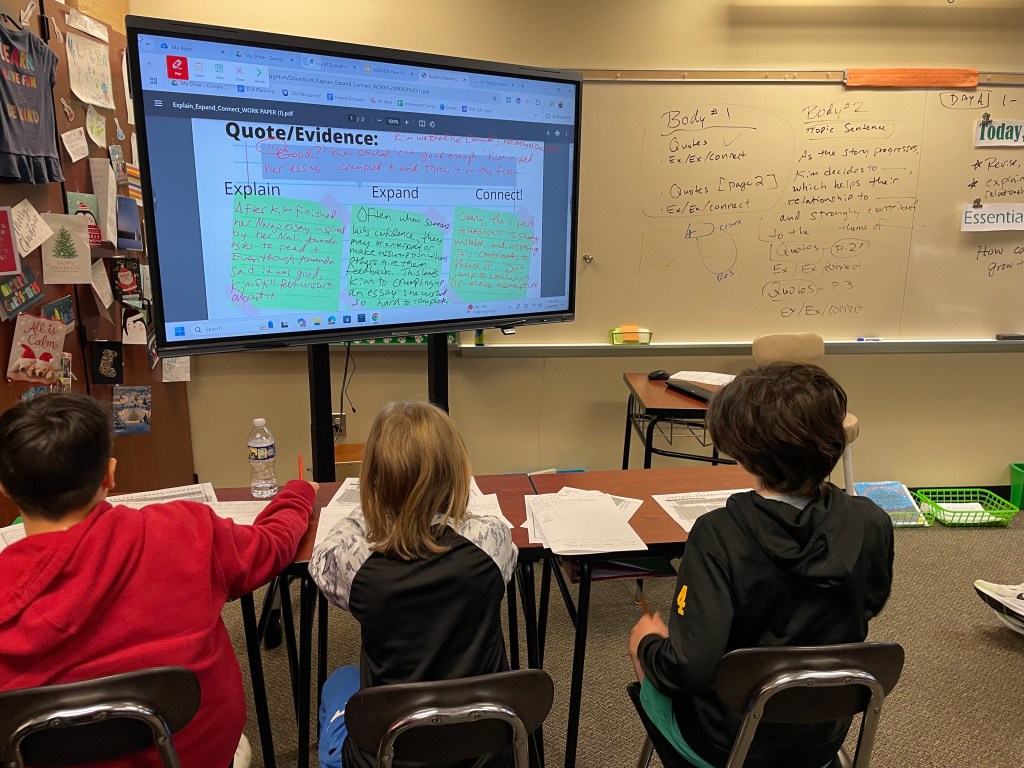
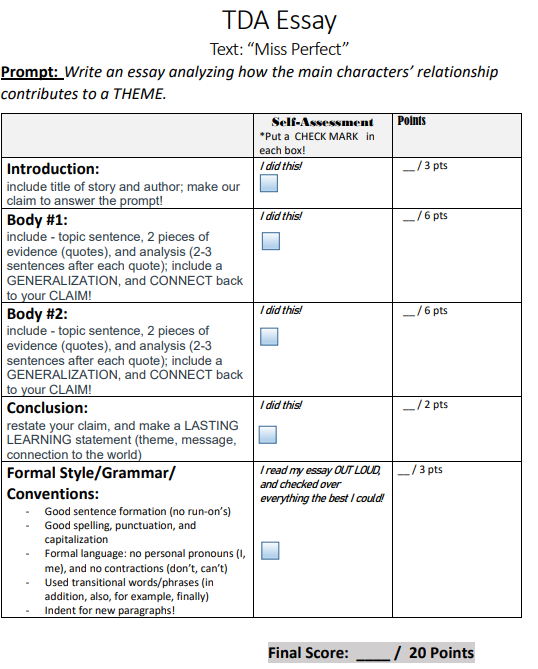
Currently, we are working hard in 6th grade on “Text-Dependent Analysis” writing – a challenging essay in response to a prompt from literature or nonfiction.
After helping students get started and providing some modeling, I try to see what students can do. At this point, I give them 3 options:
“Mr. Laughton, I’d like to sit beside you and work at the back table.”
“Mr. Laughton, I’d like to check in with you every few minutes.”
“Mr. Laughton, leave me alone and let me write!”
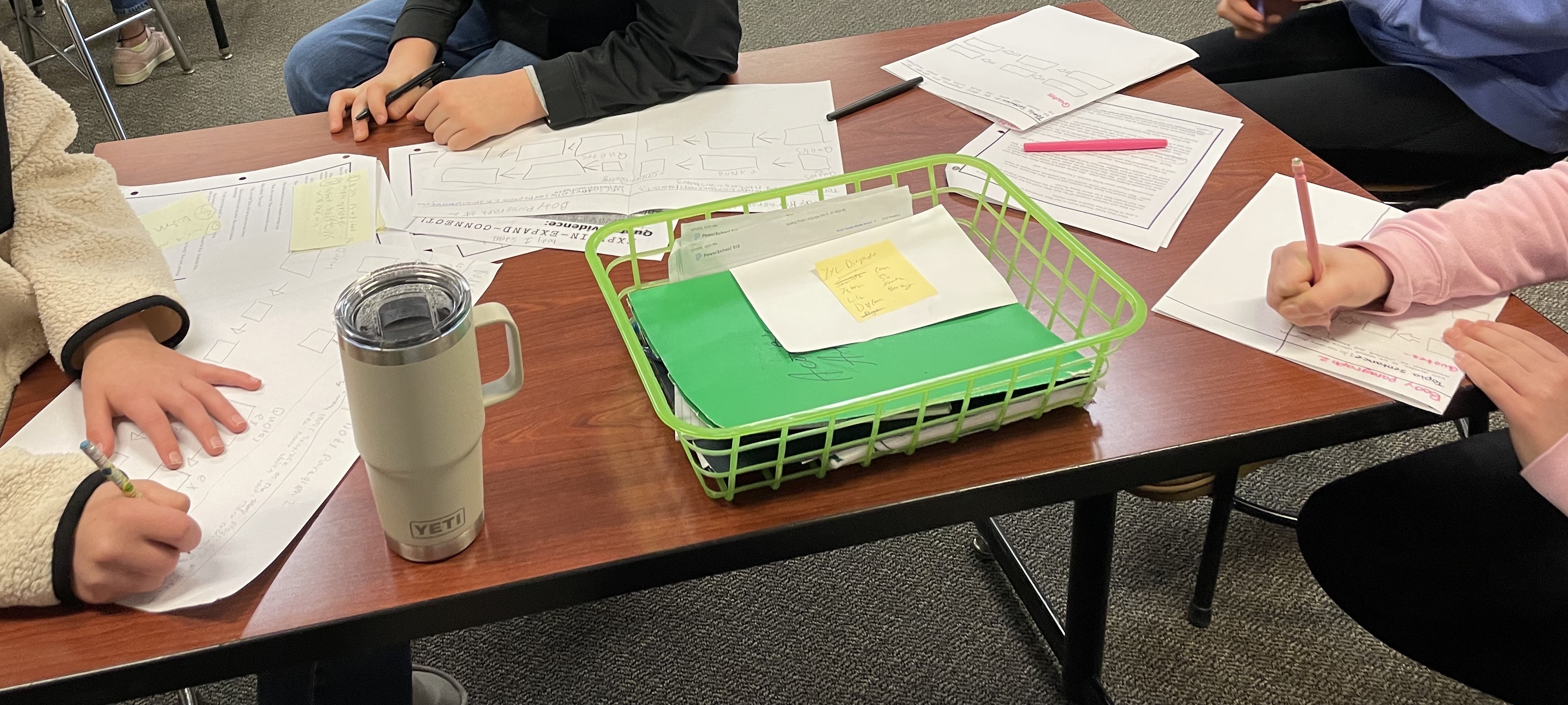
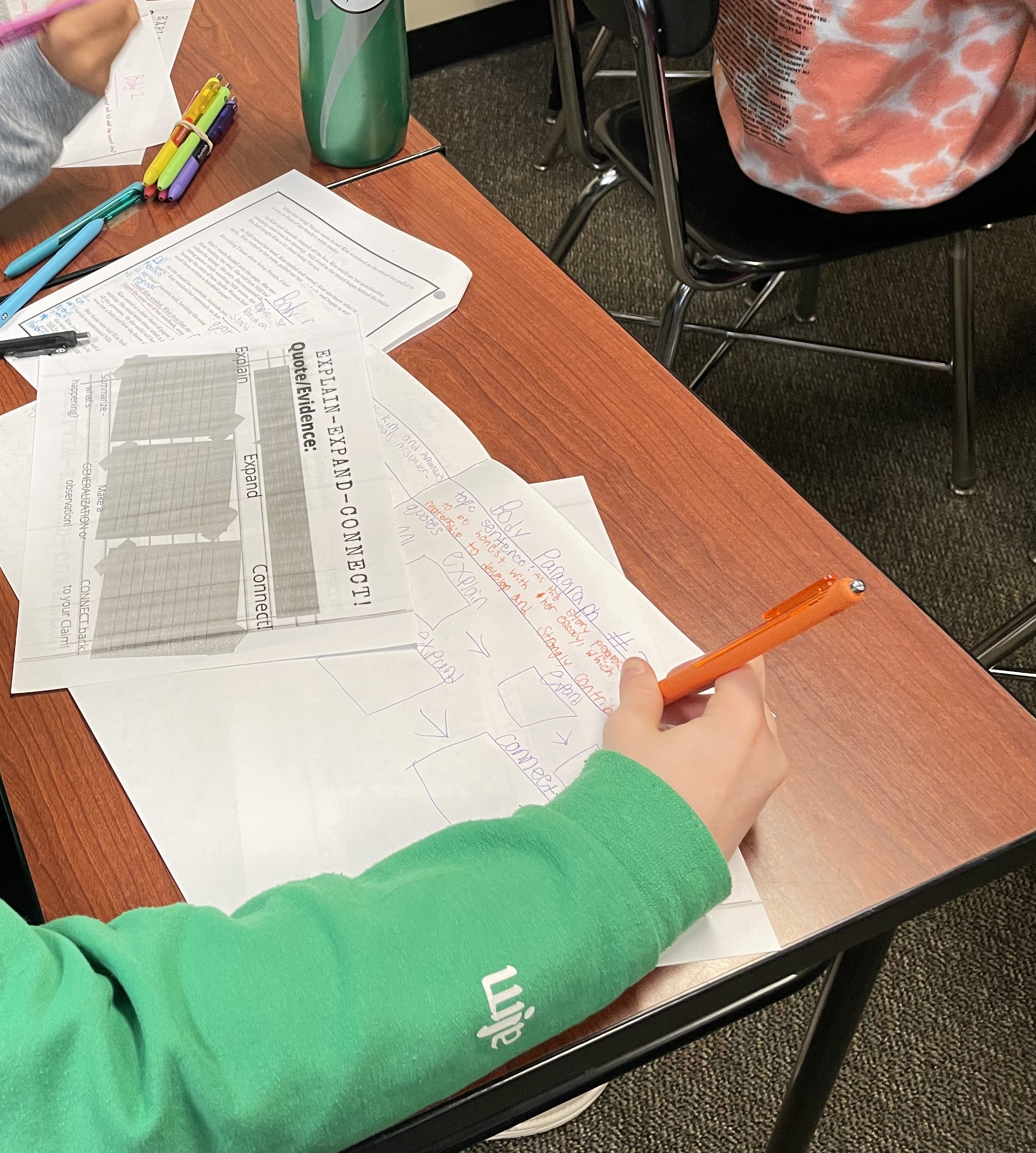
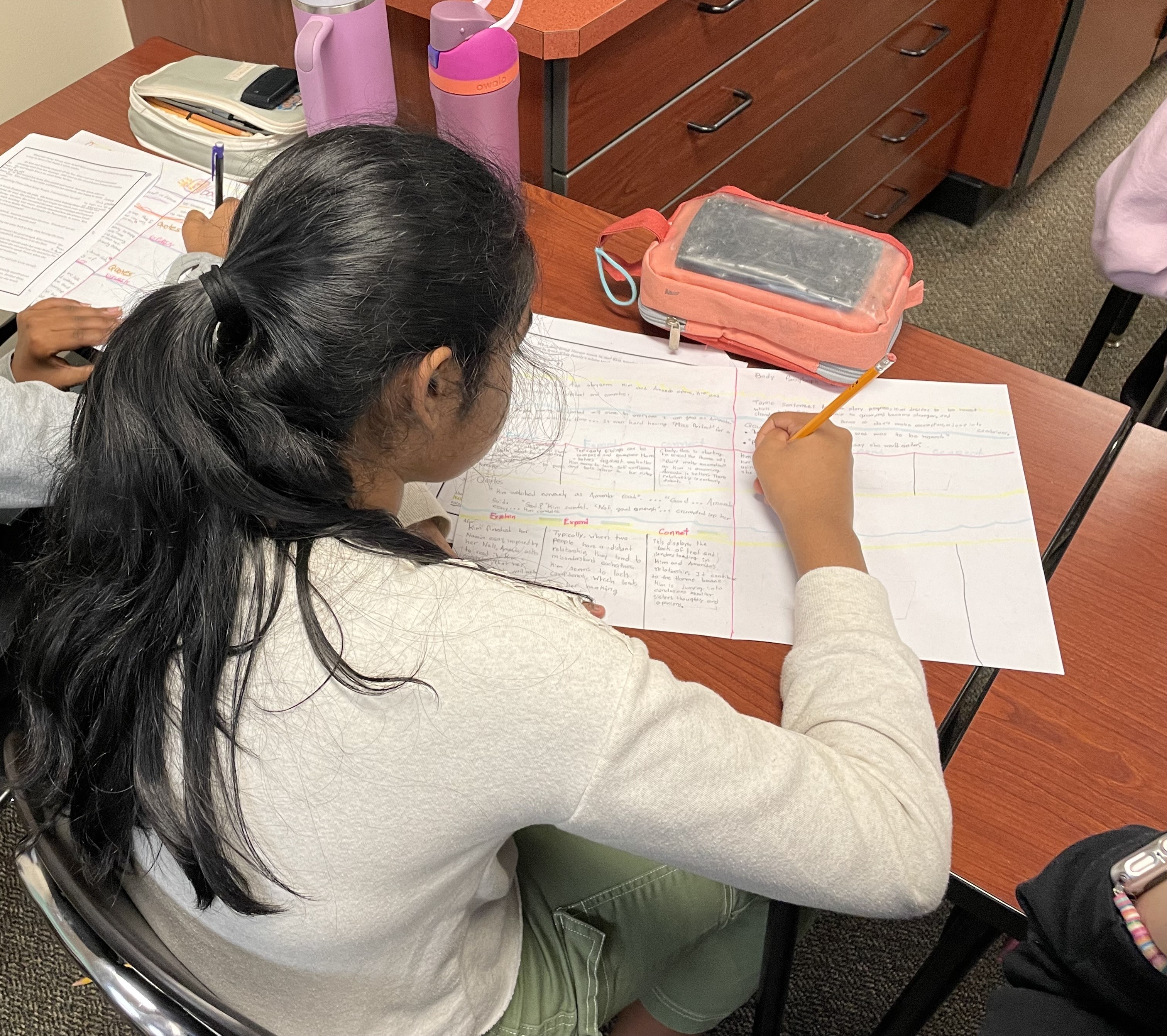
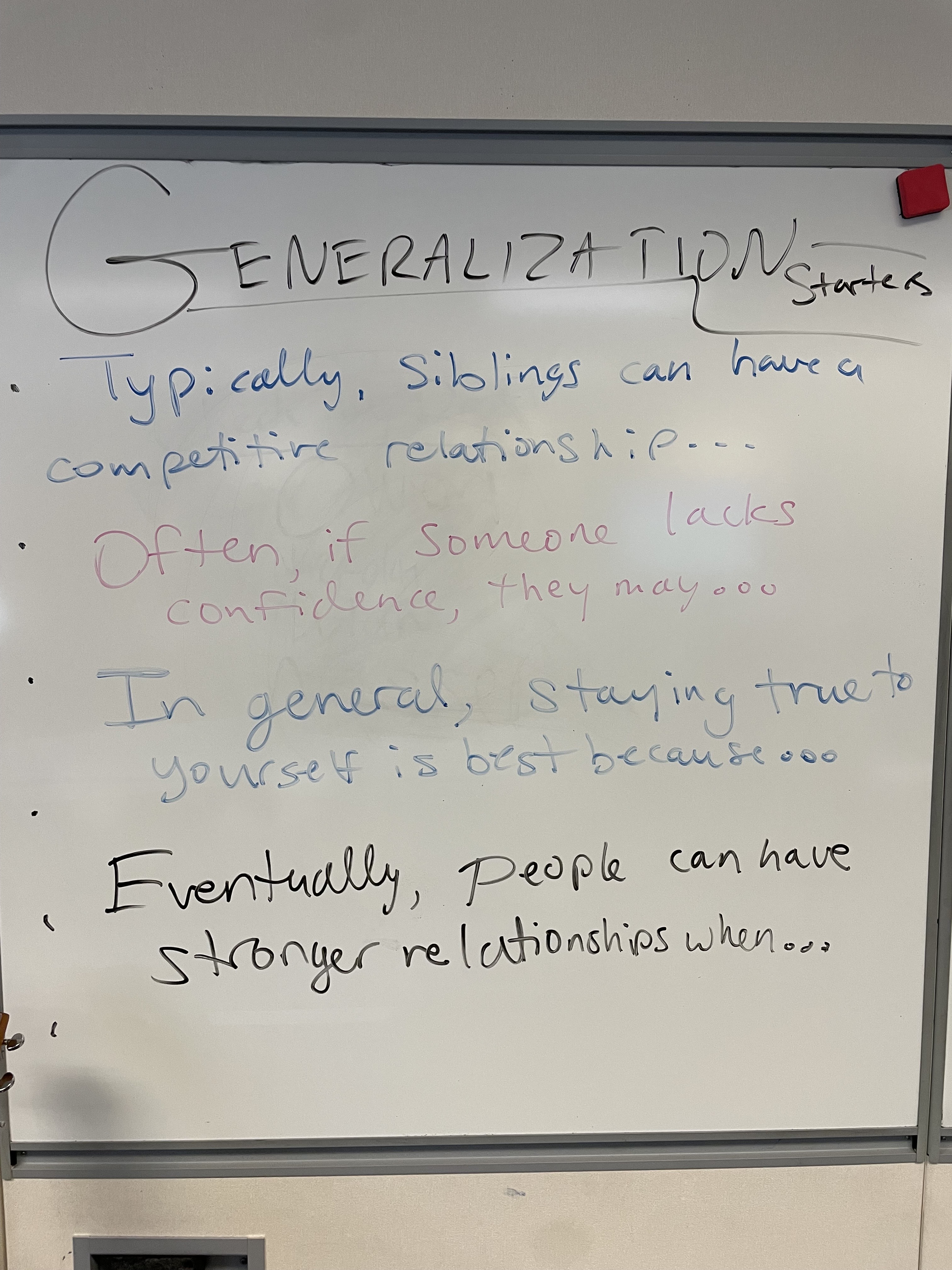
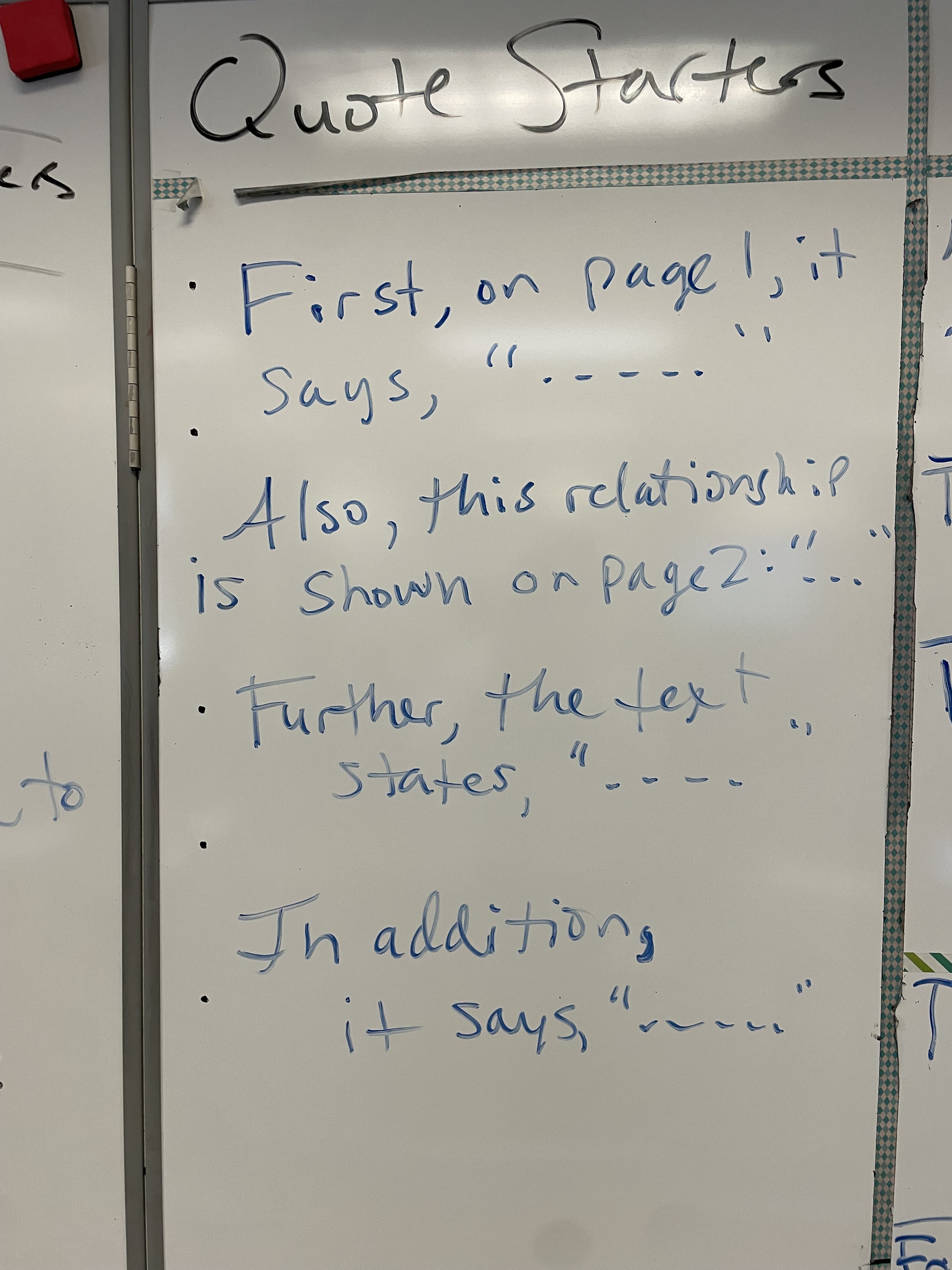
To make this work, it helps to have some charts, organizers, and/or sentence starters displayed for kids (see photos provided).
This format enables me to help the students with the most need, support and reassure students who require a little guidance, and give the freedom to my strongest writers who are ready to fly!
After a couple of days of writing and revising, students self-evaluate using our rubric before they turn in their essays for my feedback.
If you have any tips for supporting students’ independence in writing, I’d love to hear from you!
“We went through something together…”
Reflections on Virtual Teaching/Learning
Recently, the “arctic blast” has descended upon Western Pennsylvania, sending us all into virtual instruction mode. These days always remind me of the catalyst for virtual instruction – the pandemic. While that time period was certainly the most challenging for teachers and students alike, I found a “silver lining” that I always remember fondly – my block 3 virtual class.
As a 6th grade teacher, I teach three blocks of students. During the pandemic, I had 2 classes of in-person students, and one virtual class at the end of the day. 12 kids. Every day, 12 faces popping up in tiles on my screen at exactly 1:00pm. We shared a whole school year together on screen.
A couple of years ago, two of those special students stopped by to visit me. They were then learning in-person as 7th grade students.
It was the end of the day, 2:50pm, and my homeroom was getting settled for dismissal. Ryan and Rishi had the biggest smiles on their faces, and I almost teared up getting to see them face to face. They were so happy to be back in a school building with their peers and teachers. Standing there, I felt such a connection with them from the year we spent together virtually.
“We went through something together,” I told them. “It was crazy…it was hard…but we went through it together.”
They nodded and smiled. And we made the best of it, for sure. It’s funny – four years later, I can remember all 12 names, and see all of their faces like it was yesterday!
Here are some takeaways from teaching with that special group, in such a challenging time:
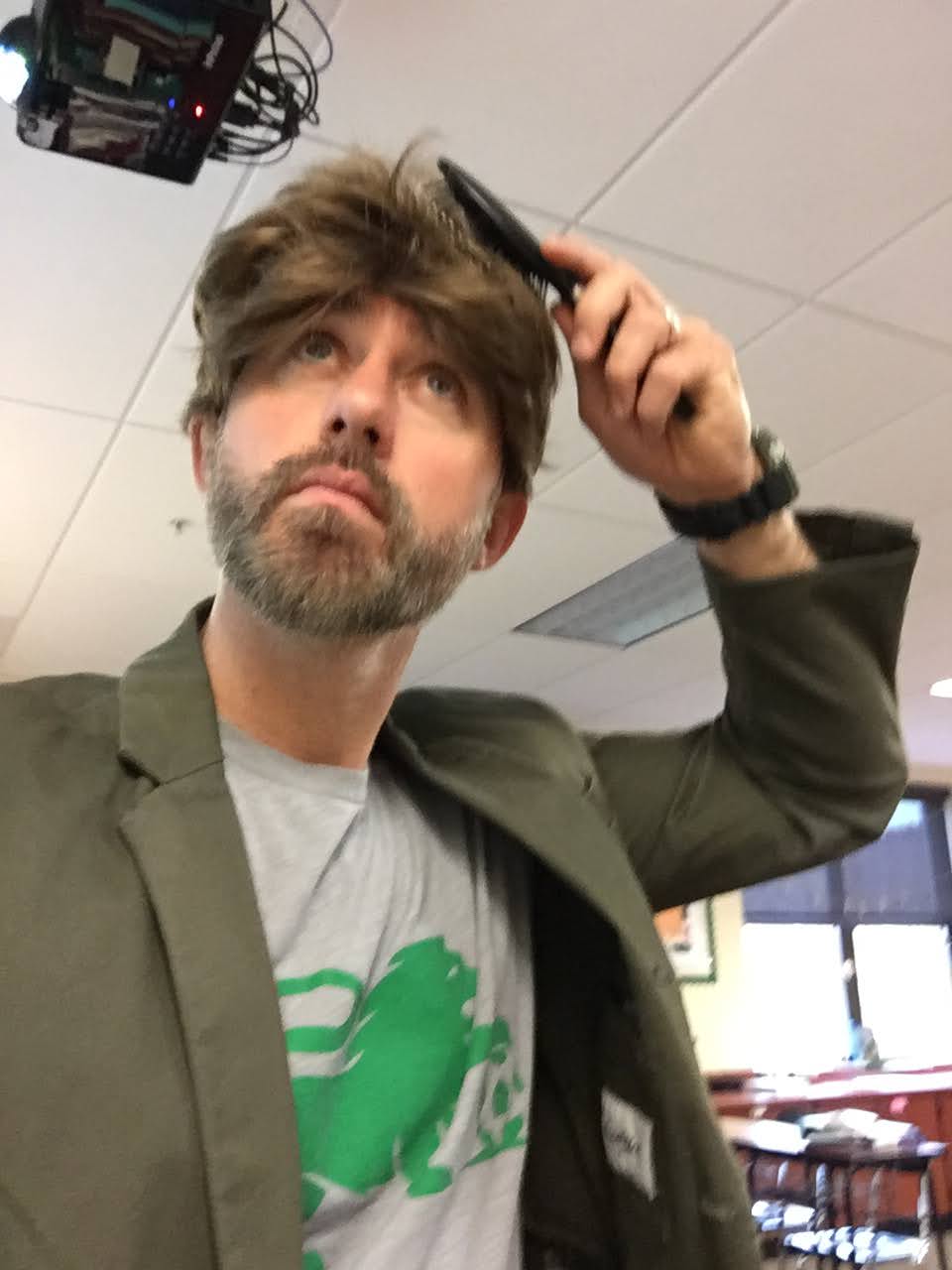
Start with a smile: during the pandemic, I started a tradition I carry on today – beginning each class with a “Bad Dad Joke of the Day.” They’re always corny. They’re rarely funny. But this small dose of humor helped us all kick off each class with a smile! I also started throwing on wigs every once in a while to get a chuckle out of the kids!
Ask how they’re doing: a quick “go around” the room for a check in always goes a long way…and with such a small group, the kids got to know one another very well, and knew if someone was having a bad day, etc.
Keeping them accountable: we agreed they wouldn’t be on other screens…No phones in their hands, no TV’s glaring and blaring in the background; and I agreed I’d always be ready for them with my lessons and feedback.
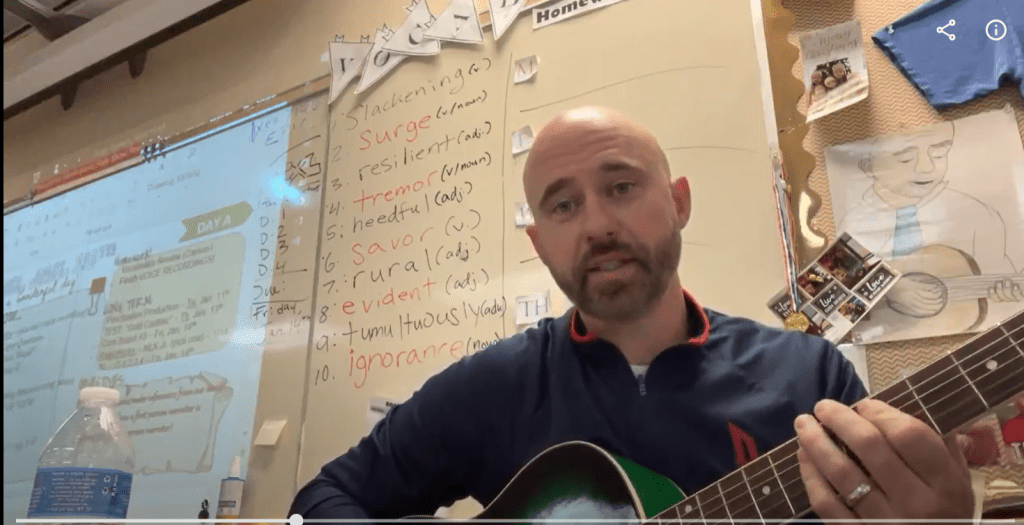
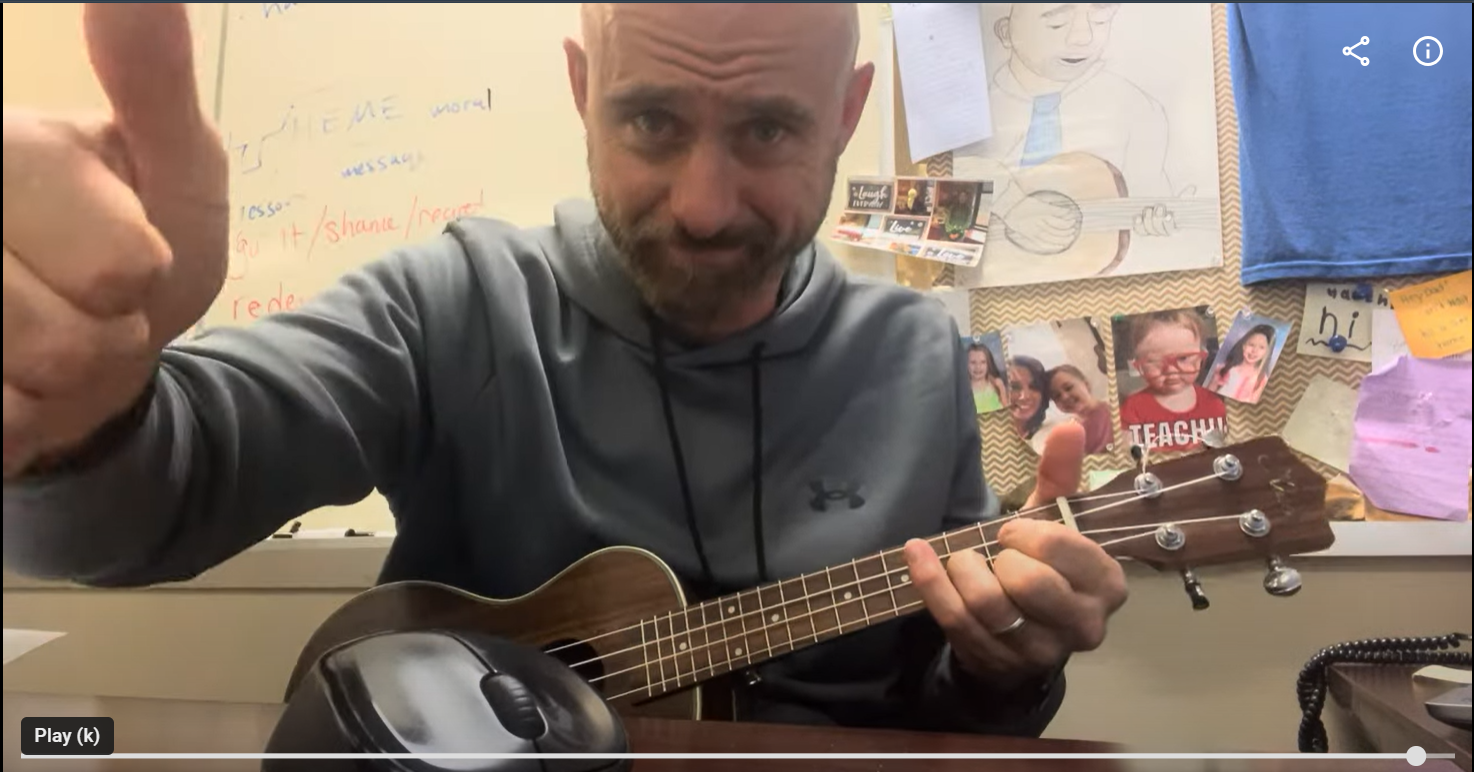
Get them engaged: I started turning some of my boring grammar lessons into songs – and this was a big help with keeping virtual learners engaged! Also, something as small as making “game show” like segments for my lessons always got kids hooked!
Build some community and connections: we cheered on Dean and Mason when they shared about their hockey training at home; for Connor when he started running; we had a drawing contest to illustrate a scene from our novel, Tuck Everlasting, and I surprised Rishi with a prize of a sketchbook and some art supplies, and got to see her sweet smile in person! When we did an independent reading project, dropped off stacks of books for Karthi from the township library and got to see his huge smile from behind his storm door! Those little things built up our classroom community, developed deeper relationships, and helped make a virtual classroom feel as close as it could.
In closing, those 12 kids and I certainly “went through something together.” And I’d like to think we made some lemonade out of a big bag of lemons. I’ll never forget that surprise visit from Ryan and Rishi, and I’m sure they’re doing well in high school!
We as teachers are always evolving and growing in our craft. We learn what works in our successes as well as our most challenging moments. While I typically wince when I think back to teaching during the pandemic, I’m wise enough to hold on to those relationships I forged and those valuable lessons I learned that I still apply in my teaching today!
If you have any “silver linings” from those tough times, I’d love to hear from you!
Ben
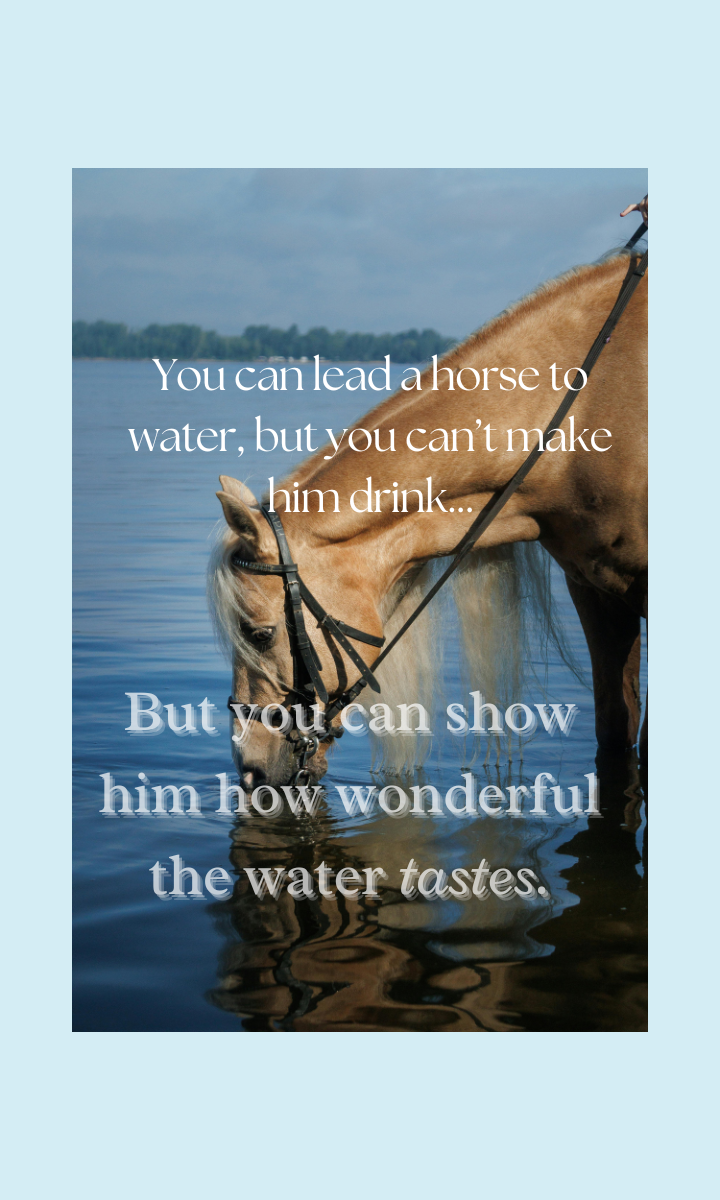
You can lead a horse to water, but you can’t make him drink. But…you can show him how wonderful the water tastes!
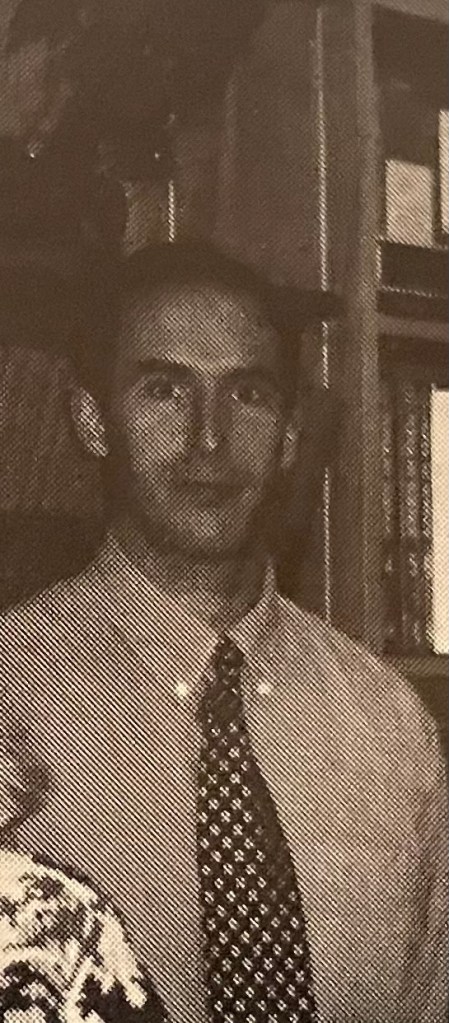
Did you ever have a teacher who got you to care about a topic or subject you never thought you would? Mr. Seymour, my 7th grade math teacher, (bottom photo) loved algebra, and the way he taught made me want to understand math the way he did. I still struggled, but I started to ask questions, go for tutoring, and got an ‘A’ in a math class for the first time ever. He even got me hooked on chess, his favorite hobby besides algebraic expressions, and nudged me to join the after-school chess club!
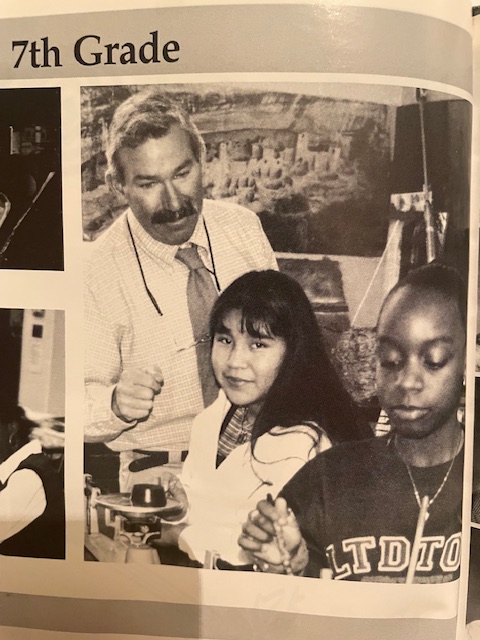
And then there was Mr. Klar, my 7th grade science teacher (top photo). I had no interest in geology or meteorology, but his passion for collecting and displaying rocks all around his classroom, and his love for weather got me hooked. To this day, I can look up and identify almost any cloud formation I learned back in 7th grade! Sure, we sometimes snickered about Mr. Klar staring up at the sky while he was supposed to be supervising us at recess, but I remember fondly how dedicated and passionate he was towards his favorite topics.
There is something powerful about a teacher who displays such enthusiasm and belief in what they teach. And, this just might be the key to motivating our students to care and develop like we want them to.
Everyone knows the old adage: “You can lead a horse to water, but you can’t make him drink.” You simply can’t make someone do something they don’t want to do. We educators often feel this way. It’s tempting to get stuck in that rut, feeling like we’ve done our part, and we can’t force a student to take that next step.
So, even though we can’t make them drink, we can show them how wonderful the water tastes! We can model how refreshing it is…how this lesson or content can add value to their lives and make them better…how this skill can benefit them in the future.
In my mind, I think about 3 keys to showing young people how wonderful that water is:
1) Enthusiasm: Just like Mr. Seymour and Mr. Klar did for me, we should be genuinely enthusiastic about the content and skills we teach our students! If we can’t get up for the lesson, and exude some passion and interest, we can’t expect them to (especially our middle and high school students!).
2) Real-World Application: kids will be more apt to drink that water when they know our lessons and content can apply to the real world! A friend and colleague of mine, Bobby Ruffolo is an excellent math teacher, and he always challenges his students to find real-world applications in every math lesson. Kids buy in when they know what you’re giving them has actual value and can help them in life, now and down the road.
3) Honesty: I often remind my students that I was once a 6th grader, and didn’t always understand the value or point of certain lessons or topics. But with hindsight, I can explain the importance, the value in that learning, that they may not notice right now. Reminding students that we once struggled, or didn’t always understand helps to build a level of trust and relationship that we can build on.
If you’re an educator, you certainly had someone like Mr. Seymour or Mr. Klar in your past. Each of us has that mission and ability to motivate and inspire our students. So, no matter what you teach, remember to show them how wonderful the water tastes!
Song: “Character Analysis”
If you teach reading from grades 2-6, this could be a fun and helpful resources for your students! I wrote this song to teach young readers that we can analyze characters by their: THOUGHTS, FEELINGS, WORDS, ACTIONS, and how they RESPOND to CHALLENGES! Over the years, my students have enjoyed this song, and they’ve used the lyrics to help them understand a variety of characters from both fiction texts and informational texts.
I’ll be posting more educational songs in the near future. If you have a topic or suggestion for an educational song, let me know!
New Year, Same Kids!
As educators savor the last bits of winter break, I thought it timely to write this post.
Before we know it, those smiling faces (and some sour and tired expressions) will be walking down the corridors of our schools, en route to our classrooms!
Many veteran teachers say that the first week back from winter break is almost like reliving the first week of school – routines, procedures, behavior expectations. Although it’s a new year, it’s the same kids in front of you! You’ve got the benefit of four months of equity built up – knowledge of the kids, connections, relationships. You’re not starting from “square one” – you already have a foundation, so stand on that. If the first four months were amazing, keep it rolling! If the start of the year was a little shaky, this is your chance to start fresh: reinvest in building those relationships with students individually and building up the good climate of the classroom community.
Below are some simple suggestions for restarting with students!
Tell them you’ve missed them! This means a lot to kids…they know you’re closer with your actual family, and you needed to re-charge, just as they did…but it communicates a lot of care and love when they know you missed being with them.
Quick Round of Highlights: take a few minutes to ask volunteers if they’d like to share a highlight from their break. This shouldn’t turn into a 10-minute recount from the one kid who spent a week snowboarding at a resort in Vail, Colorado! We have to bear in mind that some kids likely had an uneventful break, if not downright miserable, depending on their situation and home life. This quick round of sharing highlights should be low-stress and an opportunity to show you value the time they spent away from school.
Reminders of Routines/Procedures: take few moments to remind kids – where we turn things in; how we move around the room; how we listen and respond respectfully; etc.
Stress the Positives: find and recognize even the smallest positive behaviors – kids quickly opening to the right page in their packet; thanking a student for lending a pencil to a classmate; acknowledging a student for attempting to answer a challenging question. When we acknowledge and reinforce the positives, this can help diminish the negative behaviors that can distract and derail our classrooms.
In closing, we as teachers are blessed to have had some much-deserved time away from the classroom with our families. Although every teacher (and every student!) wishes the break could have been just a little bit longer, we should feel a sense of excitement and eagerness to get back with our kids, and back to the business of helping them grow as learners and young people.



 Laughton House